

For LGBTQIA+ families whose living arrangements don’t fit the conventional definition of primary residence, owners weighing a quick exit ask why auction a house instead of selling, since the tax answer hinges on that definition. This matters deeply for queer communities, where housing situations often reflect the beautiful complexity of chosen families, polyamorous partnerships, multi-generational care arrangements, or the necessity of maintaining separate properties for safety and authenticity.
The tax system was built around traditional nuclear family models, assuming one household, one partnership, one primary residence. But what happens when you’re part of a triad where partners own separate homes? Or when you’ve maintained your original property as a sanctuary while building a life elsewhere? Perhaps you’re caring for an aging chosen family member in a second home, or you’ve kept a rural property as essential refuge from urban life while working in the city. These aren’t unusual scenarios for LGBTQIA+ folks. They’re survival strategies, expressions of love, and reflections of how we’ve always built community differently.
Understanding capital gains tax on second properties isn’t just about minimizing what you owe. It’s about protecting the financial security you’ve worked to create, often without the structural advantages that traditional couples receive. It’s about making informed decisions when your housing story involves more than one place you call home.
This article walks through the mechanics of capital gains tax on second properties while honoring the real, lived experiences of LGBTQIA+ homeowners. You’ll find clear explanations of how the tax works, which properties qualify for exemptions, and practical strategies that recognize your actual life, not the one the tax code imagined.
Why Second Properties Matter to Our Community
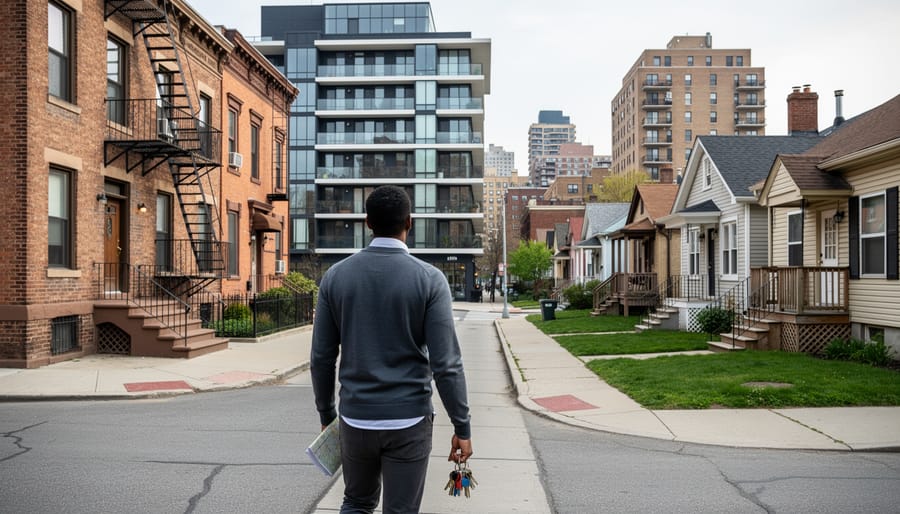
The reasons for owning a second property rarely fit neatly into tax forms or official definitions, especially when your life doesn’t follow traditional scripts. Within our community, multiple properties often represent something deeper than investment portfolios or vacation homes.
Many of us maintain safety spaces across different cities. You might keep a small condo in your hometown where family still doesn’t fully accept you, while building your primary life elsewhere. Or you’ve created a sanctuary in an urban center where you can be yourself without constant code-switching, while maintaining property in a suburban area for work or other obligations. These aren’t luxuries. They’re responses to the reality that housing needs within our community include places where we can exist without fear or explanation.
Chosen family housing arrangements create another layer of complexity. You might co-own a property with your closest friend who nursed you through illness, or maintain housing for a younger community member who was kicked out by their birth family. These relationships hold the weight of family bonds without the legal documentation that traditional systems recognize. When someone asks why you own property with a person who isn’t your partner or relative, the answer involves decades of shared history that no checkbox can capture.
Immigration sponsorship adds its own complications. Supporting a partner through the immigration process often means maintaining separate properties until legal status resolves, creating years of dual ownership. Same-sex couples have faced particular barriers in this process historically, and the property arrangements that result reflect those challenges.
Multi-generational caregiving doesn’t always follow parent-to-child patterns in our community. You might own property to house aging chosen family members or former partners who remain central to your life. You could be supporting younger generations, nieces, nephews, or community youth, in ways that traditional families might not understand but that address essential needs within our networks.
Relationship transitions also shape property ownership differently. Polyamorous relationships might involve shared property among multiple partners. A couple might maintain separate homes while building life together. Former romantic partners might continue co-owning property as they transition to friendship, or keep housing arrangements that support co-parenting.
Each of these situations has legitimate, human reasons behind it. Yet when capital gains tax comes into play, the system doesn’t always recognize the full story behind why you own what you own.
Capital Gains Tax Basics: The Foundation You Need

What Counts as a Second Property?
In the CRA’s eyes, your principal residence is the property you “ordinarily inhabit”, the place where you live day-to-day, where mail arrives, where your life unfolds. Anything else you own becomes a second property for tax purposes, whether it’s a rental unit, a cottage, an investment condo, or a home held for someone you care about.
Here’s where it gets complicated for many in our community: the CRA’s definition assumes singular, stable living arrangements. One person, one primary home. But that’s not always how LGBTQIA+ lives work. What if you and a partner each owned homes before you met, and you split time between both? What if you maintain a property in another city as a safety space, somewhere you stay regularly when visiting chosen family? What if you’re in a polyamorous relationship where partners live in different homes, and you genuinely inhabit more than one space throughout the year?
The law allows you to designate only one property as your principal residence for any given year. You can’t split the designation between two homes you both use, even if that reflects your actual life. This means one property will inevitably be considered “second” for tax purposes, triggering capital gains tax when you sell, even if both feel equally like home.
For those in non-traditional partnerships, supporting partners through immigration, or maintaining housing for chosen family members, this binary framework doesn’t capture reality. The definitions weren’t written with us in mind, which makes careful planning and documentation essential.
The Principal Residence Exemption
The principal residence exemption is the key that can unlock significant tax savings when you sell property in Canada. Here’s the essential truth: if the property was solely your principal residence for every year you owned it, you don’t have to pay tax on the gain. That’s worth repeating, because it matters deeply when you’re making decisions about where to call home and how to structure your living arrangements.
The math works on a year-by-year basis. You can designate one property as your principal residence for each tax year, and those years become exempt from capital gains tax when you eventually sell. If you owned a condo for ten years and it was your principal residence for all ten, the entire gain walks away tax-free. But if you lived there for five years, then moved while keeping ownership and designated a different property as your principal residence for the next five, you’d pay tax on half the gain.
This becomes particularly relevant for LGBTQIA+ folks navigating relationship changes, supporting partners, or maintaining multiple spaces for safety or chosen family. The exemption doesn’t judge your reasons for owning property or how you define home, it simply asks which property served as your principal residence each year. Planning around this question, especially when your living situation involves more than one property, becomes an act of financial self-care.
Where LGBTQIA+ Lives Intersect with Tax Reality
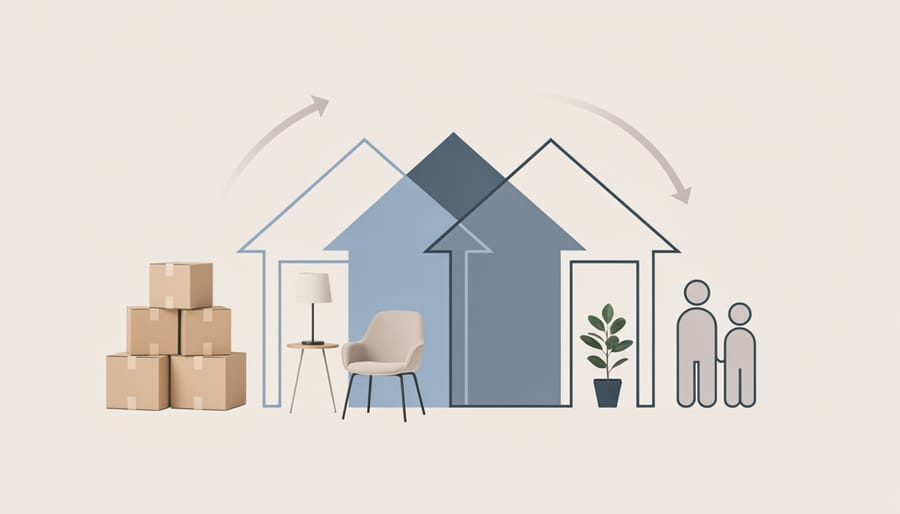
When Maya and Jordan bought their first condo together in 2018, the deed listed them both. When Ash joined their relationship two years later, the property documents didn’t change, because they couldn’t easily reflect three partners building a life together. That condo became their shared home, but when they eventually bought a larger place to accommodate their growing chosen family, the tax implications of that “second property” didn’t account for their relationship structure at all.
This is where many LGBTQIA+ lives bump up against tax frameworks designed around different assumptions. A couple transitioning together might own properties under different names from different chapters of their lives. Co-parents who aren’t romantic partners may jointly own a home for their children while each maintains separate residences. Someone supporting a partner through immigration might keep two properties in different cities, not as an investment strategy, but as a necessity during years of visa uncertainty.
The capital gains tax calculation doesn’t ask about your story. It asks: Was this your principal residence? Did you live there? How long did you own it? For relationships that evolve rather than end in clean breaks, these questions can feel impossibly binary. When a throuple decides one partner will move to care for aging parents while keeping ownership in the shared property, who designates what as their principal residence? When chosen family members inherit property together, do they all face the same tax treatment, or does the CRA recognize only certain relationships?
Consider the reality of supporting community members through housing. You might buy a property so a younger queer person has safe housing while finishing school. You might maintain a small apartment in a city where you once needed to be out and visible, even after building a primary life elsewhere. These arrangements carry meaning and provide safety nets that traditional family structures often take for granted. Yet when it comes time to sell, the tax calculation treats these as straightforward investment properties.
Relationship transitions add another layer. In many LGBTQIA+ partnerships, people separate without animosity and continue co-owning property while living apart. One person might stay in the home while the other moves out but remains on the deed, creating years where neither can fully claim the principal residence exemption on that property. The 50% inclusion rate means half of any capital gain gets taxed at your marginal rate, and for properties held through complex relationship evolutions, that gain can be substantial.
Documentation becomes critical here, though not always straightforward. The CRA wants to see that a property served as your principal residence, bills in your name, time spent there, your intent. But what if you were living there as a partner without formal documentation because legal protections for your relationship didn’t exist at the time? What if you were staying in a property to support someone else’s well-being rather than your own housing need?
These intersections matter because property decisions often happen in moments already weighted with emotion, relationship changes, coming out later in life, caring for chosen family, building stability after years of housing insecurity. Understanding that tax implications exist alongside these human realities doesn’t make the decisions easier, but it does mean you can plan with both your heart and your financial future in mind.
Planning Considerations for Your Situation

Questions to Ask Yourself
Before you make any decisions about selling or designating a property, pause and consider what matters most in your particular situation. Your answers will guide your next steps.
How does this property fit into your chosen family’s needs right now, and how might those needs shift in the next five years? If you’re sharing space with community members or supporting someone through a transition, think about whether that arrangement is temporary or foundational to how you all envision your lives unfolding.
What does your relationship structure look like, and how might it evolve? If you’re in a non-traditional partnership or navigating relationship changes, consider how property ownership intersects with your commitments to each partner or the possibility of new connections becoming part of your household.
Are you holding onto this property for emotional reasons, safety, history, connection to community, or practical ones? Sometimes we keep a space because it represents who we were when we needed it most. That’s valid, but it’s worth naming.
If you sold today, what would the financial gain mean for your current life versus your future dreams? Would it fund gender-affirming care, support a community project, or simply give you breathing room? Understanding what you’d actually do with the money can clarify whether holding the property still serves you.
When to Seek Professional Support
You don’t need to navigate property taxes alone, and you definitely shouldn’t have to explain your life story to someone who doesn’t get it. The right time to seek legal help or financial advice is when your situation involves any complexity, multiple properties, relationship transitions, chosen family arrangements, or when you’re simply unsure how the rules apply to your specific circumstances.
Look for tax professionals and financial advisors who explicitly welcome LGBTQIA+ clients. Check their websites for inclusive language, ask about their experience with non-traditional family structures during initial consultations, and trust your instincts about whether they’re genuinely affirming or just checking a box. Many community organizations maintain referral lists of professionals with demonstrated competency in serving LGBTQIA+ individuals. A good advisor won’t blink when you explain that you’re selling a property you co-owned with your ex-partner and current partner, or that you’re supporting your chosen family member through an inheritance.
The cost of professional guidance is often far less than the tax consequences of getting it wrong, and working with someone who understands your full reality means you can focus on the financial strategy rather than educating them about your life.
Real Stories: Community Members Navigate Property Taxes
Alex and Jordan met in their early twenties, bought a condo together at 26, and built a life there for eight years. When their relationship evolved into a deep friendship rather than a romantic partnership, they faced a decision many in the community navigate: what to do with shared property when love transforms but connection remains. They’d bought a second small house two years earlier as a potential rental, thinking it might become a cottage someday. As they untangled their finances with care and respect, they sold the second property first. Because it had never been their principal residence, they split the capital gains tax bill, 50% of the $85,000 gain was added to each person’s income that year. “Nobody warns you that ending a relationship on good terms still means tax paperwork,” Alex told their therapist later. They documented everything carefully, claimed the condo as their principal residence for all the years they’d owned it together, and worked with an accountant who understood that “it’s complicated” meant something different for them than it might in a traditional divorce.
Marcus inherited his grandmother’s house in Halifax when she passed, a place that held decades of family memories and felt like a lifeline to his roots. He was already living with his husband in Toronto, where they owned their home together. For three years, Marcus kept the Halifax house, visiting several times a year, unable to let go of the space where his grandmother had quietly accepted him when others hadn’t. When he finally felt ready to sell, he learned that because Toronto had been his principal residence, the Halifax property would be subject to capital gains tax. The $140,000 gain meant $70,000 added to his income, a significant tax bill he hadn’t anticipated. “I wish I’d known to talk to someone earlier,” he said. “Not to change my decision, but to be prepared.” The experience taught him that honoring family and identity sometimes comes with financial complexity that requires planning.
Priya and her partner navigated immigration processes for four years, maintaining properties in both Vancouver and Mumbai while they built their life together. The second property wasn’t just an investment, it was security during uncertainty, a backup plan if sponsorship fell through, a hedge against a system that didn’t always see their relationship as legitimate. When they finally sold the Mumbai property after receiving permanent residence, they faced both Canadian and international tax implications. Working with professionals who understood the intersection of immigration and property law made the difference between confusion and clarity. They kept meticulous records of every stay, every designation, every intent. Their story became one of persistence paying off, not just in love but in careful documentation that protected them when systems demanded proof of their lives together.
Resources for Your Journey
Finding professionals who understand your full story, who won’t raise an eyebrow at chosen family arrangements or require explanations of your relationship structure, makes a real difference. The right support can transform a stressful tax process into a collaborative planning conversation.
Start with your local LGBTQIA+ community centers, which often maintain referral lists for affirming professionals. Many urban centers host financial literacy workshops specifically addressing property ownership, estate planning, and tax considerations for queer and trans individuals. These sessions create space to ask questions without explaining your context first.
When searching for support, consider these types of resources:
- Tax professionals with LGBTQIA+ competency training who understand non-traditional family structures
- Community housing advocates familiar with diverse living arrangements and property challenges
- Financial planners specializing in multi-generational caregiving and chosen family considerations
- Legal services experienced in property rights for polyamorous families, co-parents, and partners
Professional associations like the Canadian Association of Professional Financial Advisors and provincial CPA societies increasingly maintain diversity directories. Ask potential advisors directly about their experience with LGBTQIA+ clients and complex family structures, their comfort level in answering tells you much.
Online communities and forums specific to queer homeownership offer peer wisdom and recommendations. Reddit’s r/PersonalFinanceCanada and LGBTQIA+ subreddits often include threads where community members share experiences with affirming professionals in various cities.
Remember that seeking knowledgeable support isn’t just about getting your taxes right, it’s about being seen fully while making important financial decisions. You deserve professionals who extend support that honors all aspects of your identity and relationships. Take time to find advisors who make you feel both understood and expertly guided.
Understanding the tax implications of property ownership isn’t just about numbers on a form. It’s about claiming your right to build a life that reflects who you are, in all its complexity and beauty. Whether you’re creating a home with chosen family, supporting a partner through their journey, or maintaining spaces that honor different chapters of your story, these decisions matter because your life matters.
Navigating capital gains tax might feel intimidating, especially when your living arrangements don’t fit the templates government forms expect. But learning how the system works, knowing what questions to ask, and seeking out professionals who understand your full reality, these are acts of self-advocacy. You’re not asking for special treatment. You’re asking for what you’re entitled to, and you’re doing it while living authentically.
The LGBTQIA+ community has always found ways to create home in a world that didn’t always make space for us. Sometimes that means owning property in unconventional ways, supporting each other through transitions, or building networks of care that look different from what tax law anticipated. That’s not a complication. That’s resilience and creativity.
As you make decisions about property, remember that you don’t have to figure everything out alone. There are professionals who will see your whole story, not just a transaction. There are community members who’ve walked similar paths. And there are resources designed to help you understand your rights and options.
You deserve homes that feel safe, relationships that are honored, and financial futures that support your dreams. Understanding how taxes fit into that picture is one more way of taking up the space you’ve always deserved.


No responses yet